
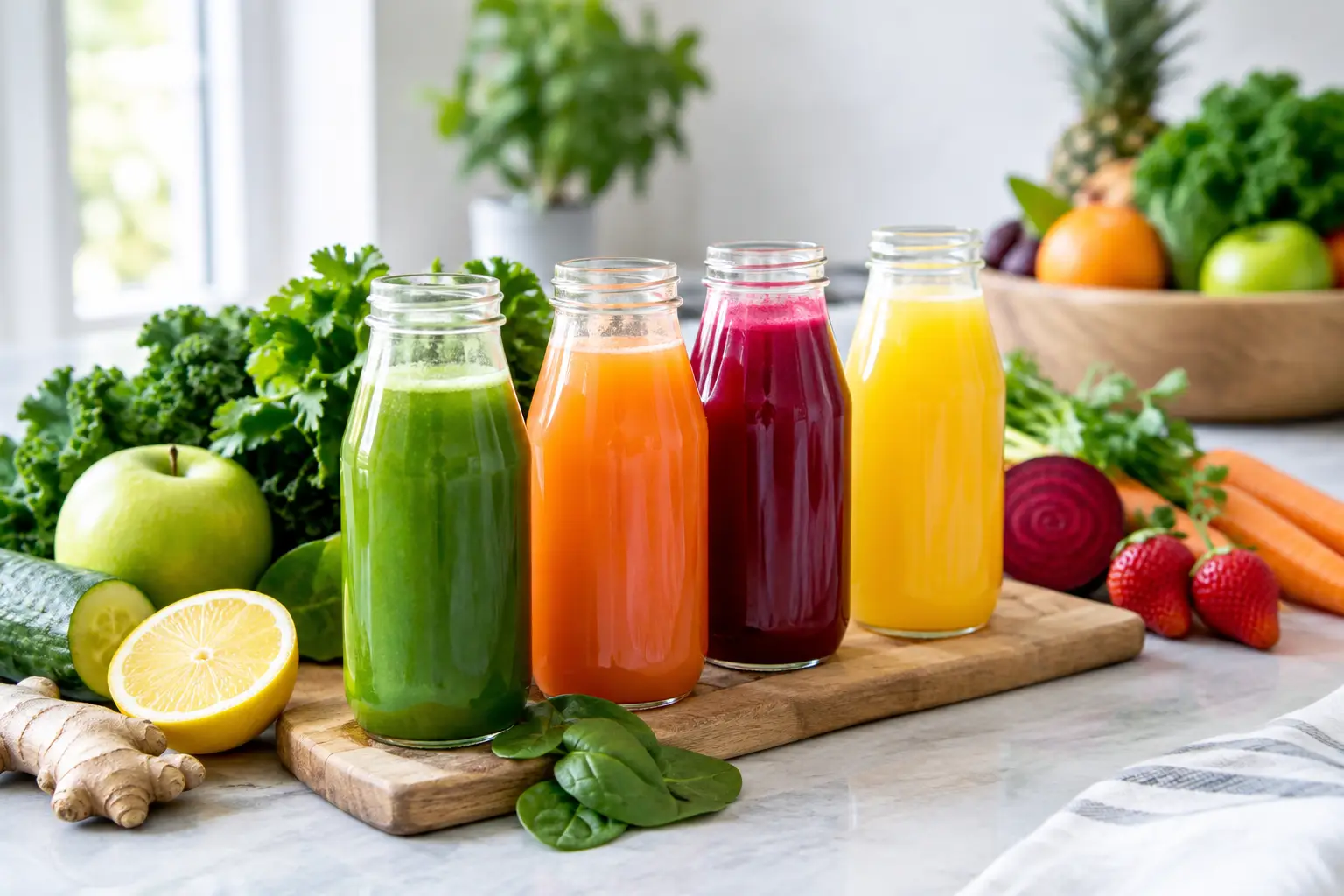

You finish a few days of juice cleansing, look in the mirror, notice your jeans feel a little different and wonder what has actually changed. Juice cleanse results can feel motivating, but they are not all visible on a scale. For many people, the most valuable result is a clearer break from rushed meals, constant snacking and the familiar feeling of starting Monday already depleted.
A juice cleanse is not a medical treatment and it does not remove toxins from your body. Your liver, kidneys, lungs and gut already handle that work. What a structured reset can do is create space to pay closer attention to what you drink, eat, crave and how you feel. The results you notice will depend on your usual diet, sleep, stress, activity level, the length of the cleanse and what you do afterwards.
The juice cleanse results people notice first
The first changes are often practical rather than dramatic. When you replace highly processed snacks, alcohol and heavy takeaway meals with fruit and vegetable juices for a short, planned period, your routine becomes more intentional. You may drink more fluid, eat at regular times and stop making food decisions on the run.
Some people describe feeling lighter, less bloated or more energised after the first adjustment period. Others feel tired, hungry or headachy at first, particularly if they normally have a lot of caffeine, alcohol, sugary foods or large portions. Neither response proves that a cleanse is working better or worse. They are simply individual responses to a significant change in food intake and routine.
Energy can also be less predictable than wellness marketing suggests. Fresh juices provide carbohydrate from fruit and vegetables, along with vitamins and plant compounds, but they are usually lower in protein, fat and fibre than balanced meals. You may feel a welcome lift from eating more produce and drinking regularly, yet you may not have the same sustained energy for intense training or long, demanding days.
Digestion and bloating
Many people begin a cleanse hoping for a flatter stomach. Reduced bloating can happen when you temporarily step away from salty restaurant food, fizzy drinks, alcohol or foods that do not agree with you. Regular fluid intake may also support normal digestion.
But juice is not a shortcut to better gut health. Juicing removes much of the fibre found in whole fruit and vegetables, and fibre helps support regular bowel movements and fuller, steadier meals. If digestion is a key concern, view a cleanse as a brief reset, then bring fibre-rich foods back in thoughtfully: vegetables, fruit, oats, beans, lentils, wholegrains, nuts and seeds, according to what suits you.
Your bowel habits may change during a juice cleanse because the volume and type of food has changed. Persistent pain, severe diarrhoea, vomiting or dizziness are not something to push through. Stop and seek appropriate medical advice.
Weight loss: what the scale can and cannot tell you
Weight change is one of the most searched-for juice cleanse results. It is possible to see the number on the scale drop during a short cleanse because you are consuming fewer calories than usual. Some of that change can be body water and stored carbohydrate, especially if your usual diet is higher in salt and refined carbohydrates. Once you return to regular food, part of the weight may return.
That does not make your effort pointless. It simply means the scale is a limited measure of progress. A lasting change in body weight requires habits you can maintain after the cleanse: satisfying meals, enough protein and fibre, regular movement, sleep and a realistic relationship with food.
If weight management is your goal, avoid treating the cleanse as punishment for a holiday, a busy month or a weekend of eating differently. Use it as a pause. Notice when you reach for food without hunger, which meals leave you satisfied and what makes healthy choices easier in your actual life.
Cravings may become clearer before they become quieter
One unexpectedly useful result is awareness. Without your usual coffee run, evening glass of wine or cupboard snacks, habits can become very obvious. You may realise that a 4 pm craving is linked to skipping lunch, that you snack while scrolling, or that stress sends you towards sweet foods.
Cravings do not disappear because you have completed a cleanse. In fact, restricting favourite foods can make them feel louder for some people. The goal is not perfect willpower. It is to create enough distance to choose your next step rather than acting automatically.
Afterwards, keep one or two changes that felt genuinely good. Perhaps that is preparing a colourful breakfast, carrying a bottle of water, planning an afternoon snack or cooking a simple evening meal before you become ravenous. Small changes repeated often will matter more than one strict week followed by old patterns.
Why your results may differ from someone else’s
Before-and-after stories are compelling, but they never show the full picture. One person may feel focused and refreshed after three days, while another finds the experience difficult and decides a gentler nutrition reset is more suitable. Both responses are useful information.
Your starting point matters. If your meals already include plenty of vegetables, protein, wholegrains and regular hydration, the contrast may feel subtle. If your routine has been dominated by convenience food, irregular meals and little downtime, the structure itself may feel transformative.
Sleep and stress matter too. A cleanse cannot compensate for consistently short nights, an overwhelming workload or a lack of support at home. Give yourself a quieter window if possible. Choose gentle movement over trying to prove your fitness, and treat rest as part of the reset rather than something to earn.
How to make a reset lead to real change
The days after a cleanse are where the most meaningful results are protected. Returning immediately to oversized meals, alcohol and ultra-processed snacks can leave you uncomfortable and may recreate the same cycle you wanted to interrupt. A gradual return to nourishing solid food is usually kinder to your appetite and digestion.
Start by paying attention to fullness. Build meals around vegetables or fruit, a source of protein, high-fibre carbohydrates and satisfying fats. There is no need to keep eating perfectly or to fear normal foods. The point is to create meals that are enjoyable enough to repeat.
It also helps to decide in advance what your next week will look like. Choose a few realistic anchors: a planned food shop, two easy home-cooked dinners, a walk after work, a screen-free meal or an earlier bedtime. These are not glamorous results, but they are the foundations of feeling better for longer.
A structured programme can make this easier when you do not want to spend hours working out recipes, timings and motivation alone. Juice Detox’s 7-day at-home programme combines six juices a day with guidance, reflection, meditation and movement, so the experience is designed as a whole-routine reset rather than a week of drinks alone.
When a juice cleanse may not be right for you
Juice cleansing is not appropriate for everyone. If you are pregnant or breastfeeding, under 18, living with diabetes or kidney disease, have a history of an eating disorder, or take medicines affected by major dietary changes, speak with your GP, pharmacist or registered dietitian before changing your intake. The same applies if you are underweight, recovering from illness or unsure whether a restrictive plan is safe for you.
Listen to your body during any nutrition reset. Feeling mildly hungry at times is different from feeling faint, unwell or unable to function normally. Health is not proved by enduring discomfort.
The best juice cleanse result is not a dramatic promise or a number you feel pressured to maintain. It is the moment you recognise that feeling more nourished can be practical: one considered choice, one calmer meal and one repeatable habit at a time.

 English
 Dutch
 German
 French
 Spanish
 Italian
Hinterlasse einen Kommentar
An der Diskussion beteiligen?Hinterlasse uns deinen Kommentar!