
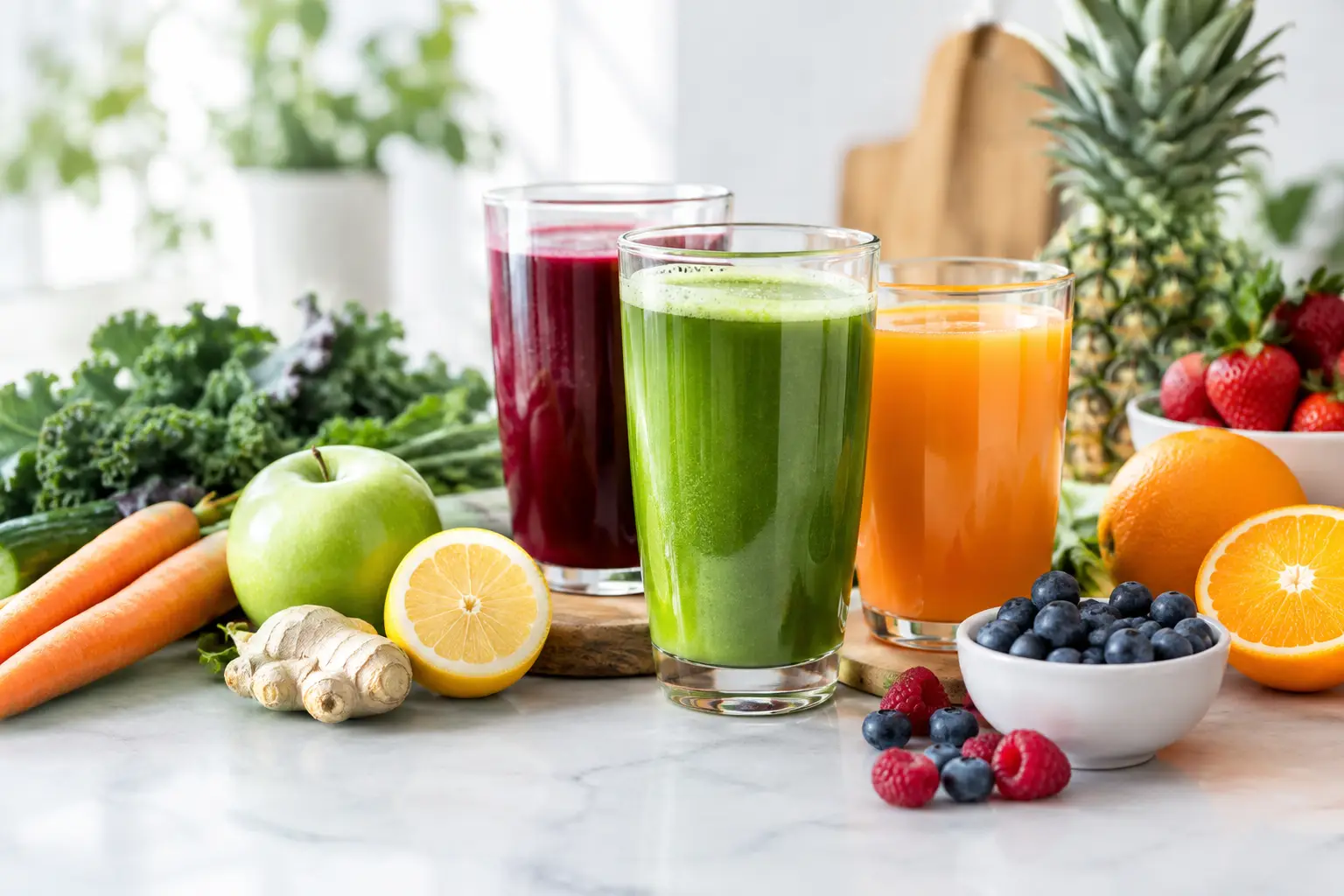

A juice cleanse is not a magic reset button. But stepping out of a routine of rushed meals, frequent snacks and convenience food can create a meaningful pause. The most valuable bienfaits d'une cure de jus often come from that pause: a more intentional relationship with food, a higher intake of fruit and vegetables, and a chance to notice what your body and habits have been asking for.
For some people, a structured cleanse feels energising and motivating. Others find it challenging, especially in the first few days. Your experience depends on your usual diet, sleep, stress levels, activity, health history and the way you approach the period afterwards. Think of a cleanse as a short, supported wellness practice – not a cure, punishment or shortcut to long-term health.
Juice cleanse benefits: what is realistic?
Fresh juices can be a practical way to consume a wide variety of fruits and vegetables. A well-made juice may provide vitamins, minerals and plant compounds, while its fluid content can support your overall hydration. If your normal week is light on vegetables, preparing juices can also make you far more aware of how much colourful produce your body can enjoy.
That said, juicing removes most of the fibre found in whole fruit and vegetables. Fibre supports digestion, fullness and steady blood sugar levels, which is why whole foods should remain central to your usual way of eating. A juice cleanse is best viewed as a short-term change in routine, not a replacement for balanced meals over the long run.
The word “detox” can be confusing. Your liver, kidneys, lungs and digestive system already process and remove waste products every day. There is no reliable evidence that juice cleanses flush undefined toxins from the body. What many people describe as feeling lighter or clearer may instead reflect drinking more fluids, eating fewer ultra-processed foods, reducing alcohol, following a calmer routine and paying closer attention to their wellbeing.
A focused break from everyday food habits
One of the strongest potential benefits has little to do with juice itself. It is the structure.
When you decide in advance what you will drink, you remove dozens of small food decisions from a busy day. That can interrupt automatic habits such as grazing at your desk, ordering a takeaway when tired or reaching for something sweet during an afternoon slump. You may start noticing the situations behind your cravings: poor sleep, boredom, stress, social pressure or simply not having planned ahead.
This awareness matters after the cleanse. A seven-day period can give you space to ask: which habits make me feel good, and which ones leave me drained? The lasting value is not perfection. It is carrying one or two useful changes into ordinary life, whether that means preparing a proper breakfast, adding vegetables to lunch or creating a screen-free evening routine.
More fluids and more plant variety
Many adults do not drink enough during the day, particularly when coffee, meetings and commuting take over. Because juice contains a high proportion of water, a cleanse may help you become more consistent with fluid intake. This does not mean juice should replace water, but it can be part of a more hydrated routine.
You may also consume ingredients you do not usually buy. Spinach, cucumber, celery, beetroot, ginger, citrus and herbs each bring different flavours and nutrients to the glass. Variety is valuable because different plants contain different vitamins and naturally occurring compounds.
Be mindful, however, that fruit-based juices can contain a substantial amount of natural sugar while being less filling than whole fruit. Balance matters. Vegetable-led juices, combined thoughtfully with fruit for flavour, are often a sensible approach during a structured cleanse.
What you might feel during a cleanse
People often hope for instant energy, but the first response can be the opposite. If you usually consume caffeine, alcohol, sugary snacks or large meals, changing your intake suddenly may bring headaches, tiredness, irritability or strong cravings. These experiences are not proof that toxins are leaving your body. They can simply be a response to dietary change, lower calorie intake, caffeine withdrawal or disrupted routines.
Some people report feeling less bloated or more comfortable after reducing salty, highly processed foods. Others may feel hungry, cold or low in energy. Neither response is a personal failure. It is useful information about whether the approach and timing suit you.
Keep your diary lighter than usual where possible. Prioritise sleep, gentle movement and enough water. Hard training, long workdays and a cleanse can be an uncomfortable combination. If you feel unwell, faint, persistently dizzy or unable to function normally, stop and seek advice from a qualified healthcare professional.
Can a juice cleanse help with weight loss?
The scales may move during a juice cleanse, especially if your usual food intake is higher in calories, salt or carbohydrate than your cleanse intake. Early changes often include water weight and reduced food volume in the digestive system. That is different from guaranteed or permanent fat loss.
What happens next matters much more. Returning immediately to oversized portions, alcohol and highly processed snacks can make the change short-lived. Returning gradually to nourishing meals with protein, fibre-rich carbohydrates, healthy fats and plenty of vegetables gives you a better foundation for maintaining a healthier weight.
Rather than treating a lower number on the scales as the only win, look for wider signs of progress: more regular meals, less mindless snacking, better meal planning or renewed confidence in making food that supports your goals. These are the habits that can stay with you.
Who should take extra care?
Juice cleansing is not suitable for everyone. Children and teenagers, people who are pregnant or breastfeeding, and anyone with a history of an eating disorder should avoid restrictive cleanses unless specifically advised and supported by an appropriate health professional.
If you have diabetes, kidney disease, liver disease, a digestive condition, low blood pressure, or take prescription medicines, speak with your GP, pharmacist or dietitian before making a major dietary change. This is particularly relevant if your medication needs to be taken with food or if your blood sugar needs close management. The same applies if you are underweight, recovering from illness or have a demanding physical job.
A responsible reset should support your life, not ask you to ignore your body’s signals.
Make the benefits last beyond the cleanse
The days after a cleanse are where good intentions become everyday habits. Reintroduce solid foods gently and choose meals that feel nourishing rather than compensatory. Soups, cooked vegetables, whole grains, yoghurt or other protein-rich foods, eggs, beans and fruit can all have a place, depending on your preferences and dietary needs.
Avoid the all-or-nothing mindset. You do not need to keep juicing six times a day to benefit from what you learned. One green juice alongside a balanced breakfast, a planned lunch instead of a last-minute purchase, or a daily walk can be enough to change the tone of your week.
If you want more structure without having to work it all out yourself, the Juice Detox 7-day at-home programme combines fresh juice recipes with guidance, reflection, meditation and movement. It is designed to make the reset feel organised and achievable, while keeping the focus on the choices you make afterwards.
Give yourself credit for creating space to pay attention. A juice cleanse can be a useful turning point when it helps you move towards more vegetables, more awareness and a kinder, more sustainable routine.

 English
 Dutch
 German
 French
 Spanish
 Italian
Laisser un commentaire
Rejoindre la discussion?N’hésitez pas à contribuer !